Our Process.
-
Digital files
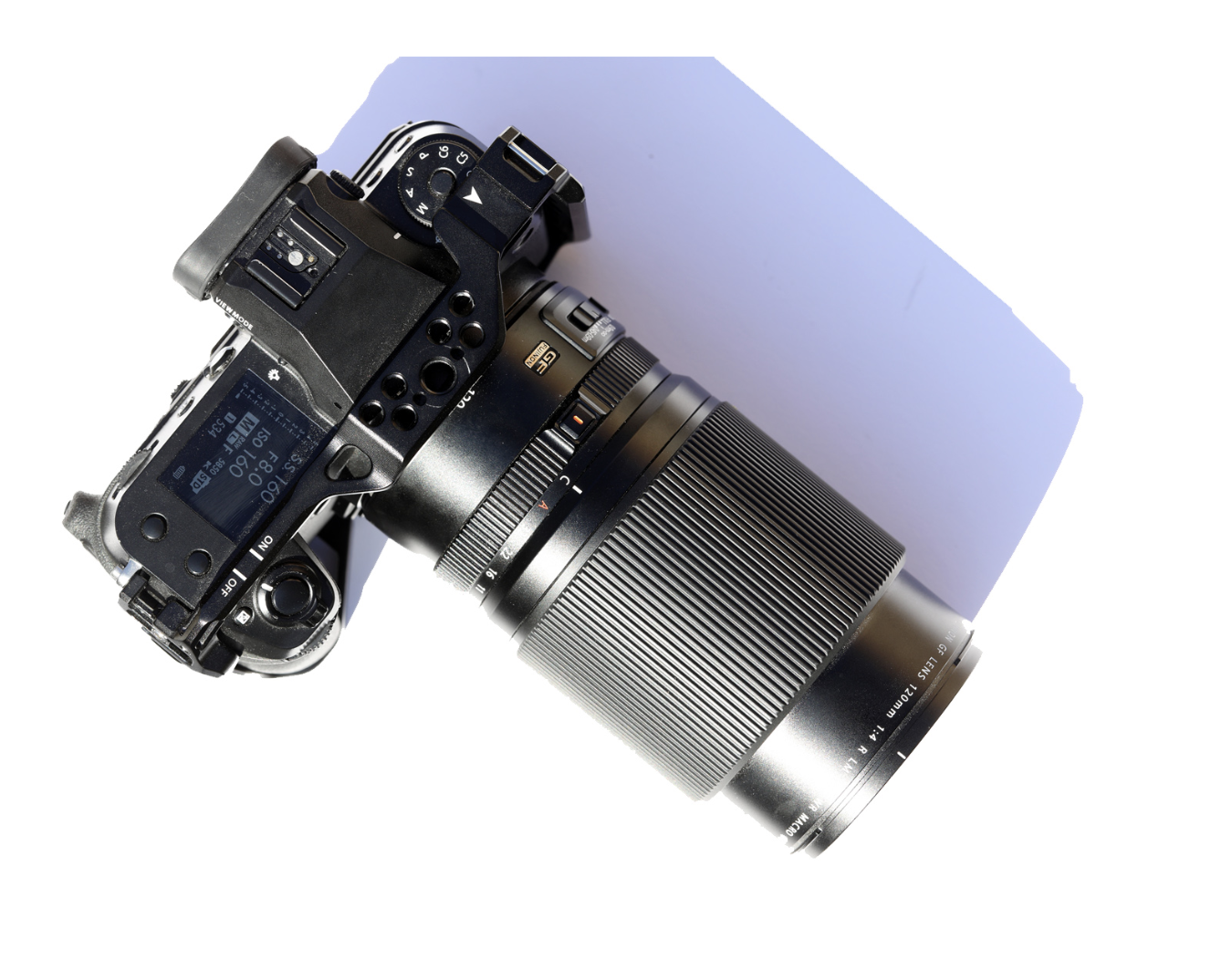
We shoot with a 100-megapixel digital medium format camera. We shoot with long macro lens to reduce image distortion and increase resolution. All images are captured as RAW files and exported as master TIFF files, each approximately 300 megapixels in size.
We supply both the RAW and TIFF files to our clients.
-
Color accuracy
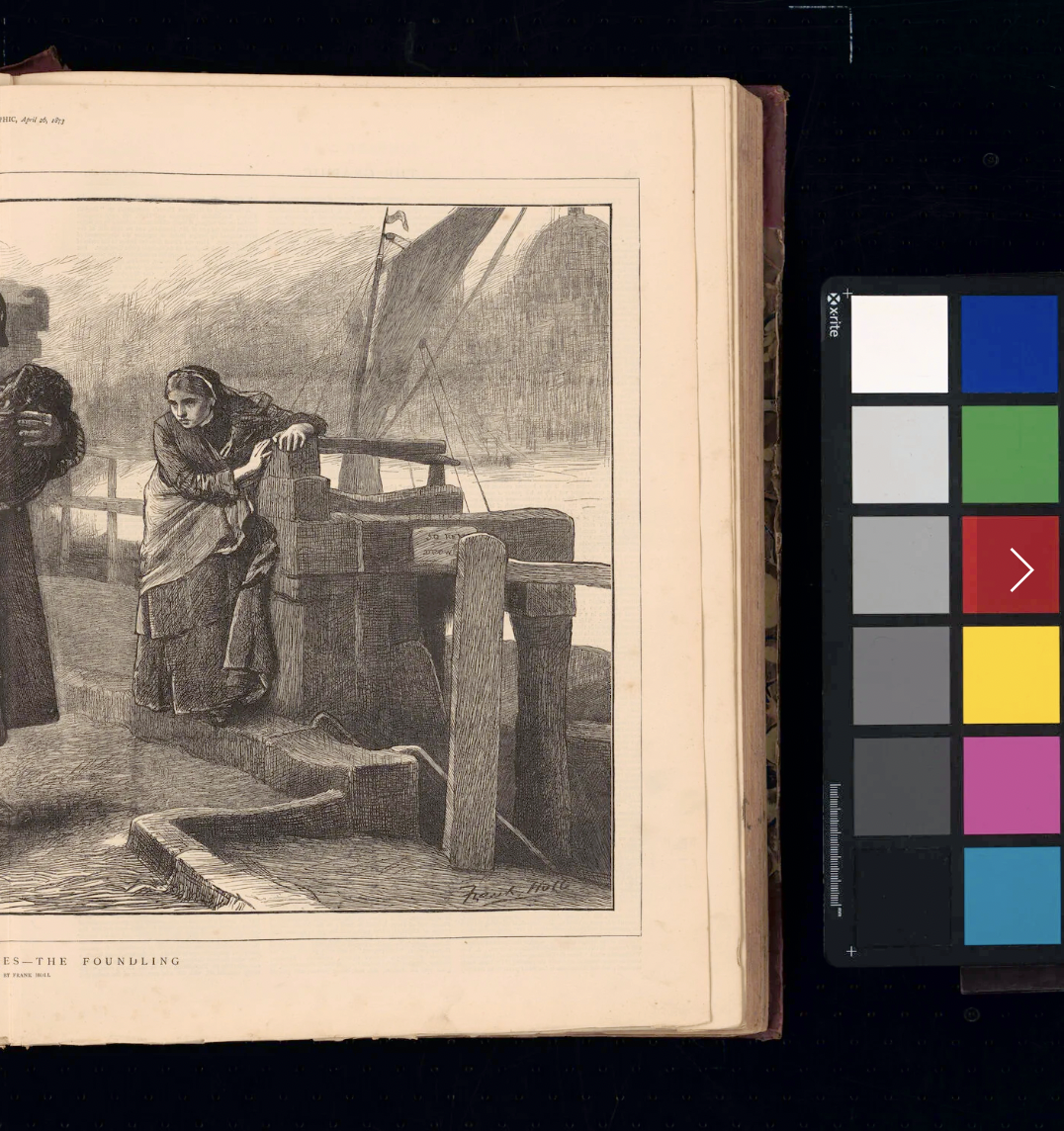
Every image is made using a Calibrite ColorChecker, photographed alongside the artwork. The files are delivered with the color chart included in an area that can be easily cropped out of the final reproduced image. The color checker conforms to ISO standard
-
Mettadata
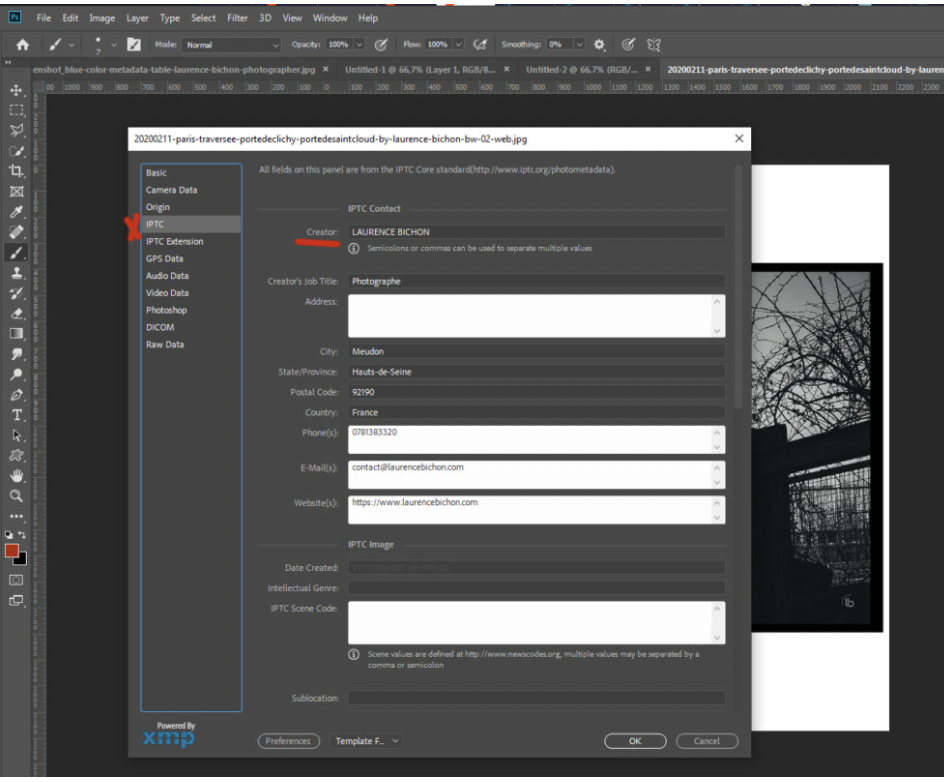
Metadata is information about a file — data that describes other data.
Information such as the artist’s name, institution, and descriptions of the work can be added to the master RAW file to make the images easier to identify and search in the future.
-
Mobile studio
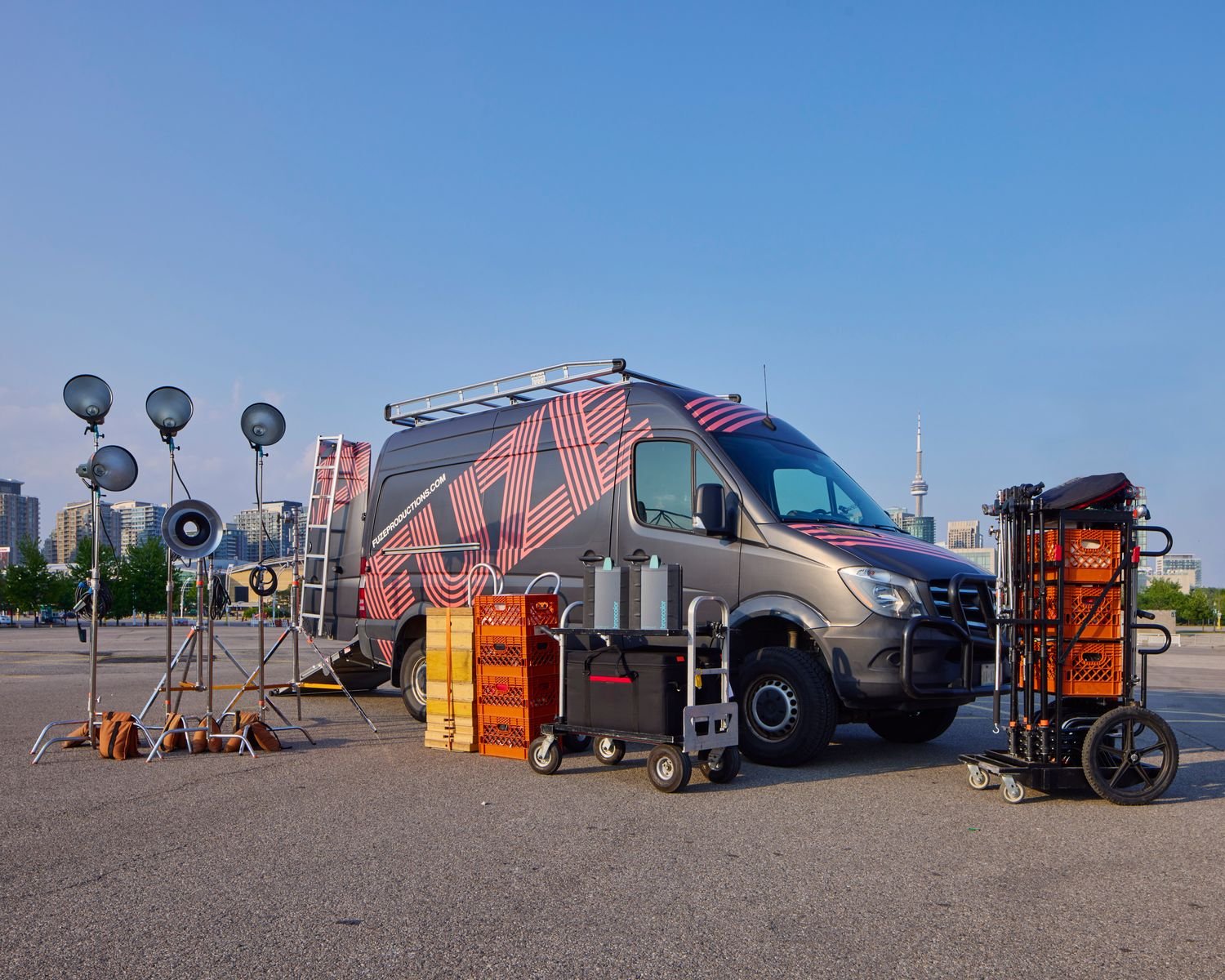
All of our studio equipment is mobile, allowing us to set up a shooting space anywhere that offers sufficient room and a reliable power supply.
-
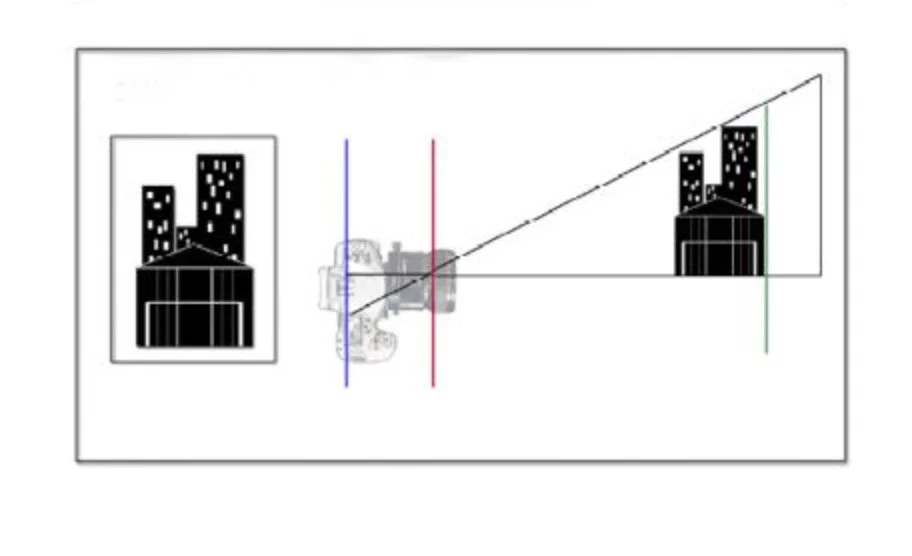
Perspective
We take a-lot of time and effort to make sure art work and spaces are not distorted. We want the work to stand on its own without distraction.
-
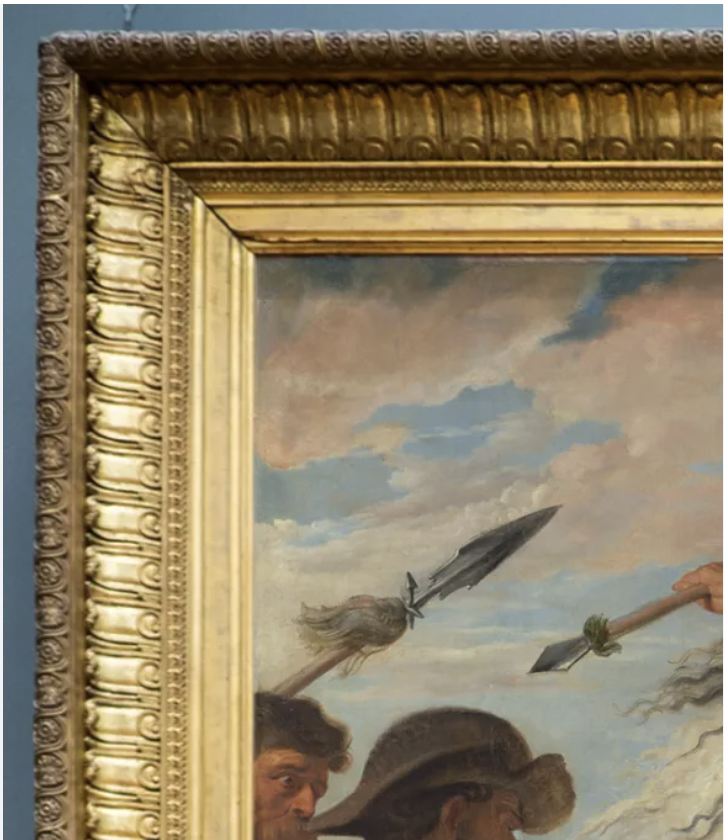
Work in frames
Dealing with shadows from frames is a common challenge. We approach this in several ways.
-
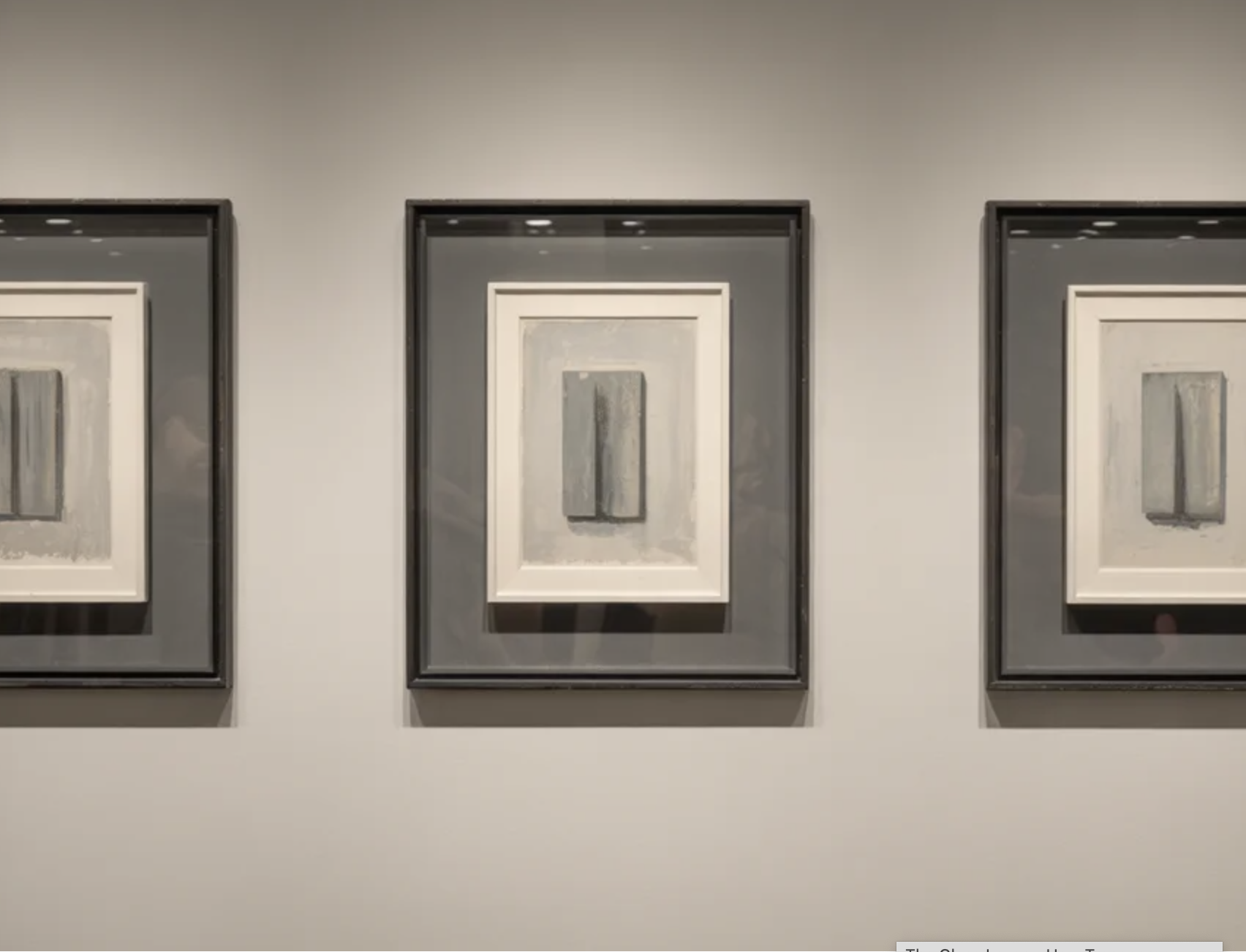
Work behind glass
Some artwork cannot be removed from its frame. We photograph these pieces using polarized light to minimize reflections. Often, the glass in the frame has a slight green or blue tint, which can be corrected during post-production.
-
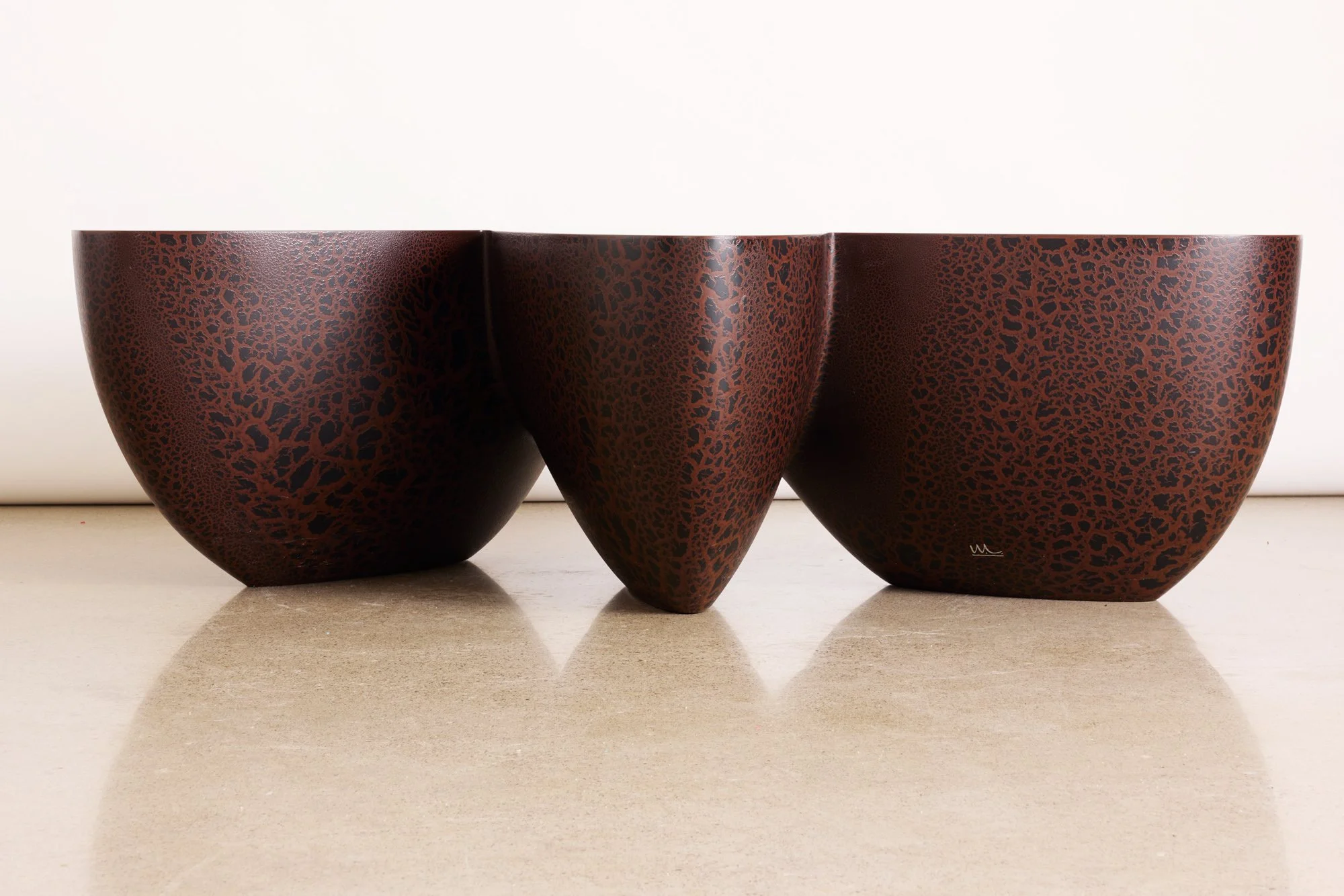
3D Art Work
3D artwork is photographed on a grey or white background. We use large, directional light sources to bring out the form and texture of each piece.
-
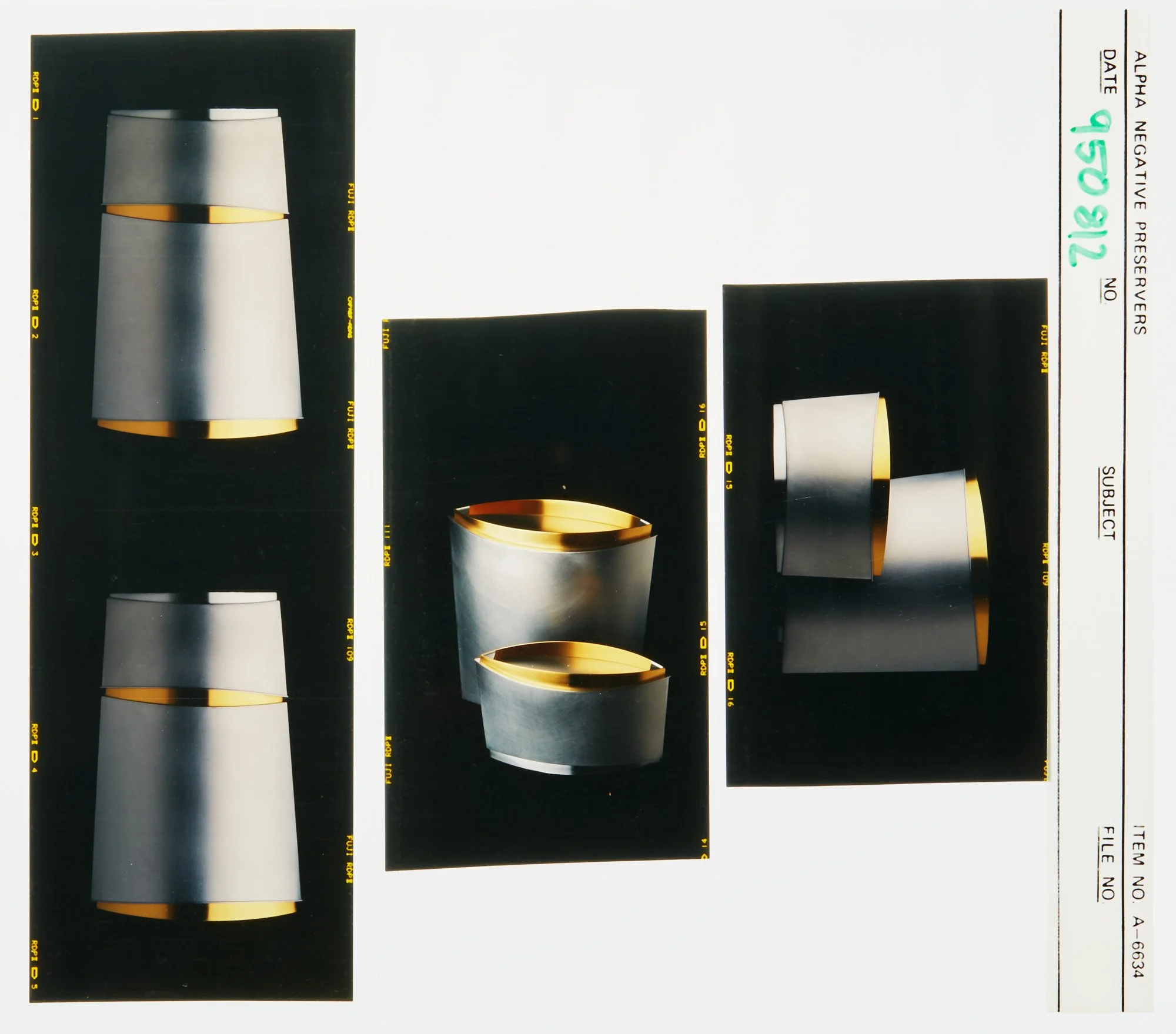
Scanning Film
We have process for scanning cut film in sheets. Single frames of all formats as well as glass negatives.
The dynamic range of film is often less than the dynamic range of well made digital images . Our digital imaging of the film often brings our details not seen in the original prints.
-
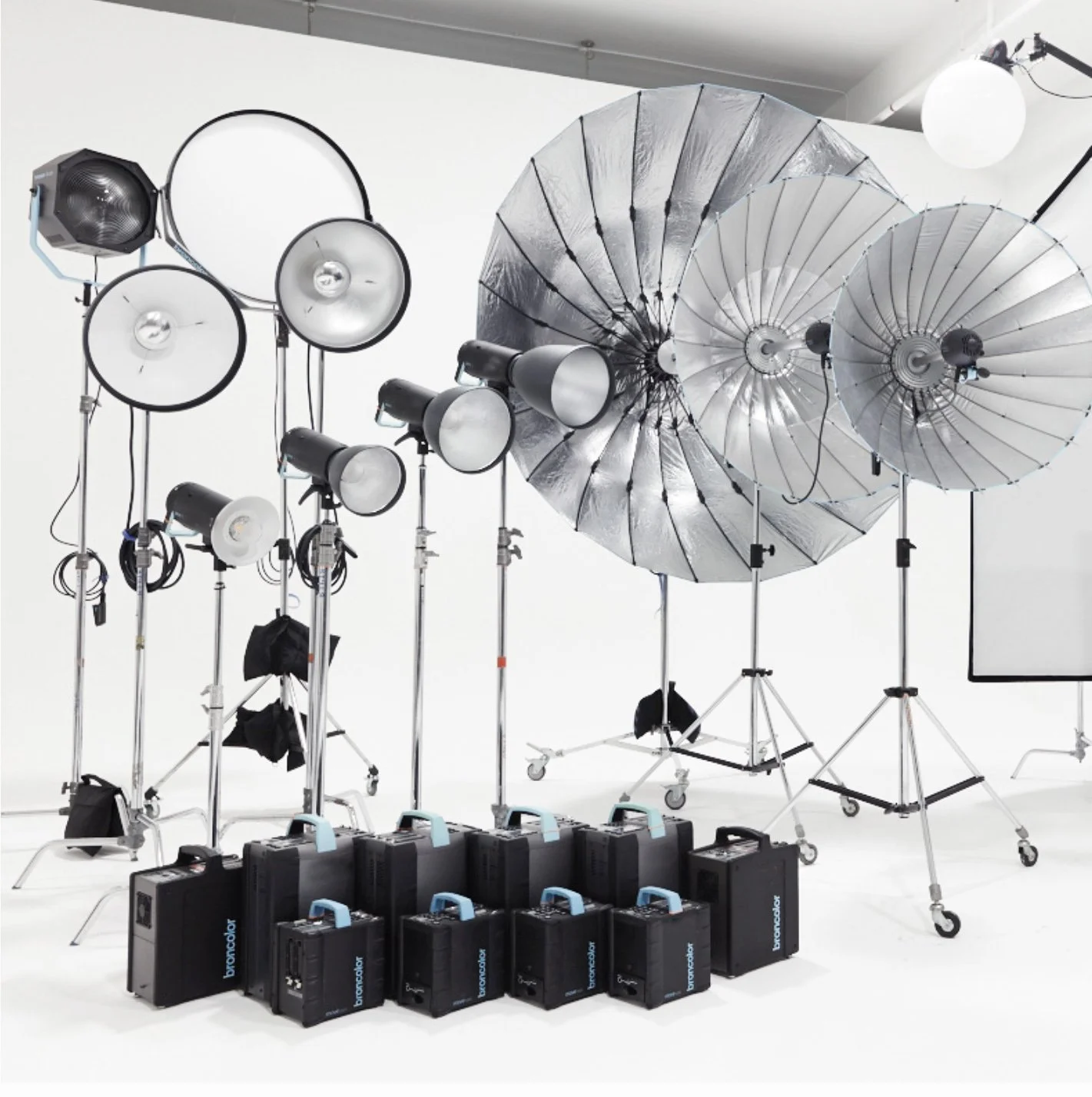
Strobe Lighting
We use Broncolor strobes. Broncolor are professional-grade studio lighting systems renowned for their exceptional quality, consistency, and durability. They deliver highly accurate color temperature and reliable light output with every flash, making them ideal for product, portrait, and commercial photography. Known for their speed and precision,
-
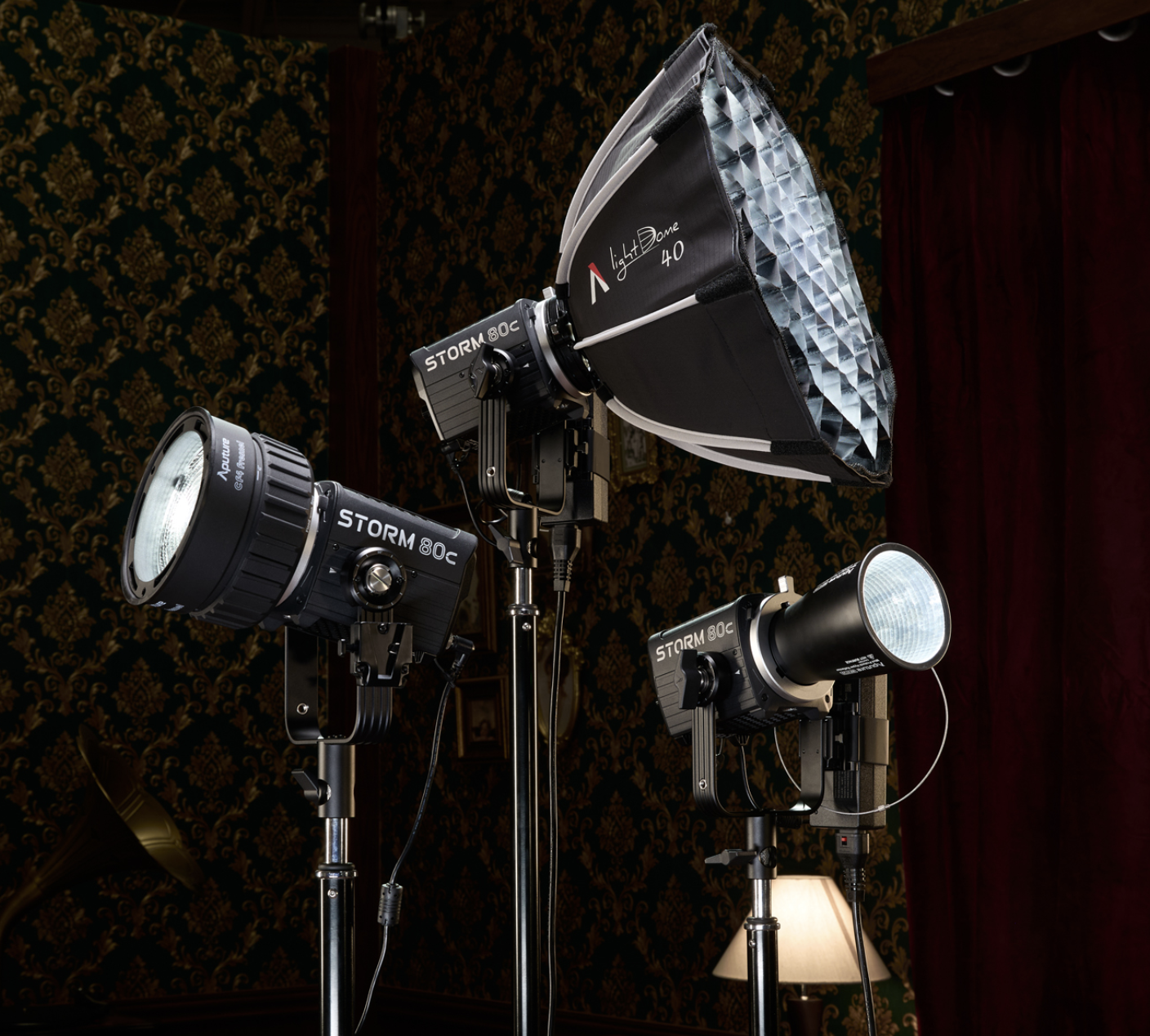
Constant Lighting
Some work cannot be photographed with strobe. When this is the case we work we use constant LED light sources.
-

ISO work flow
We follow International Organization for Standardization (ISO) and best-practice documents that apply to the photography or digitisation of artwork/cultural-heritage materials.
-

Copyright
The gallery, artist, or institution owns the copyright of the images once full payment has been made.